Loading…
Guide
Ice bath water care and maintenance
8 min read
A cold plunge tub that isn't drained and refilled after every single session needs an actual maintenance routine, the same way a hot tub or pool does. It's just a smaller volume of water sitting at a much lower temperature, which changes some of the specifics but doesn't remove the need for basic hygiene. This is the least discussed part of owning a home setup, and it's usually the thing that determines whether people stay happy with a tub for years or start dreading getting into it after a few months.
How often to change the water
There's no single universal answer here. It depends heavily on frequency of use, number of people using the tub, whether you're filtering and sanitising between changes, and whether the tub is indoor or exposed to the elements. A few practical benchmarks:
- Single-user, low frequency (1–2 sessions a week), with basic sanitising between uses: water can often reasonably last several weeks before a full change, provided you're maintaining it in the ways described below.
- Multi-user or high-frequency use (most days, or shared across a household): expect to change water considerably more often, commonly every one to two weeks, since more bodies and more sessions introduce more organic contamination (skin, oils, sweat) per litre of water.
- No filtration or sanitising at all: water should be changed much more frequently, since without any active water care you're relying entirely on dilution and cold temperature (which does slow microbial growth somewhat, but doesn't stop it) to keep the water usable.
The honest signal to watch for isn't a fixed calendar interval. It's the water itself. Cloudiness, a filmy surface, a noticeable odor, or visible debris are all signs it's time for a change regardless of how many days it's technically been. Cold temperature slows the rate at which water quality degrades compared to a warm hot tub, but it doesn't stop it, and treating cold as a substitute for actual water care is a common mistake.
Filtration and sanitising options
Filtration removes physical debris - skin particles, hair, dust, and anything else that ends up in the water - and is the first line of defense for keeping water usable longer between full changes. A basic filter or skimmer, run regularly rather than only when the water already looks dirty, does most of the heavy lifting here.
Sanitising addresses what filtration can't: microbial growth. A few common approaches used across the plunge and cold-tub category:
- Chlorine or bromine-based sanitisers, used at much lower concentrations than a swimming pool given the smaller water volume. These are effective and familiar if you've maintained a hot tub before, but need to be dosed carefully for a tub this size, since the volumes involved are small enough that pool-scale dosing will over-treat the water.
- Non-chlorine oxidisers, often preferred by people who find chlorine's smell or skin effect unpleasant, particularly for a tub used daily where skin contact with treated water is frequent.
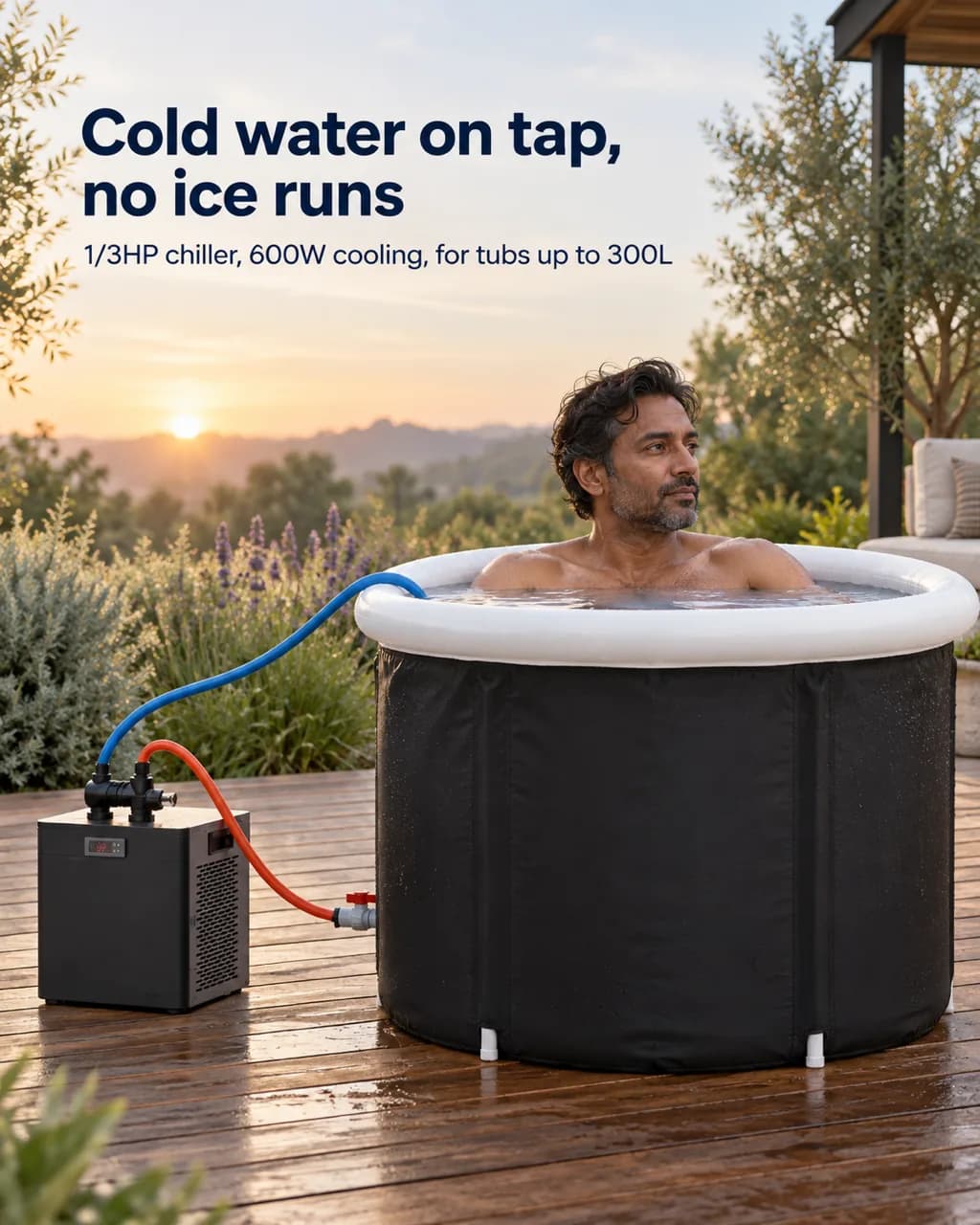
- UV sterilisation units, sometimes built into or added alongside a chiller system, which treat water as it circulates without adding chemicals directly.
Sanitising and testing supplies sized for plunge-tub volumes are generally a better fit than repurposing hot tub or pool chemicals designed for larger volumes and higher temperatures, dosing math that works for a 1,500-litre heated hot tub doesn't translate cleanly down to a 250-litre cold plunge tub.
Whatever sanitising approach you use, pair it with basic testing - pH and sanitiser level strips are inexpensive and take the guesswork out of whether you're under- or over-treating the water. Water that's too aggressively treated can irritate skin just as easily as water that's undertreated harbors bacteria.
Chiller upkeep
If your setup includes a chiller rather than relying on ice, the unit itself needs its own maintenance separate from the water quality question:
- Filter cleaning or replacement. Most chiller units draw water through an internal filter as part of the circulation and cooling cycle, and a clogged filter reduces both cooling efficiency and how well the unit is actually maintaining your set temperature. Check and clean this on a regular schedule rather than waiting for a noticeable performance drop - by the time you notice reduced cooling, the filter has usually been restricting flow for a while already.
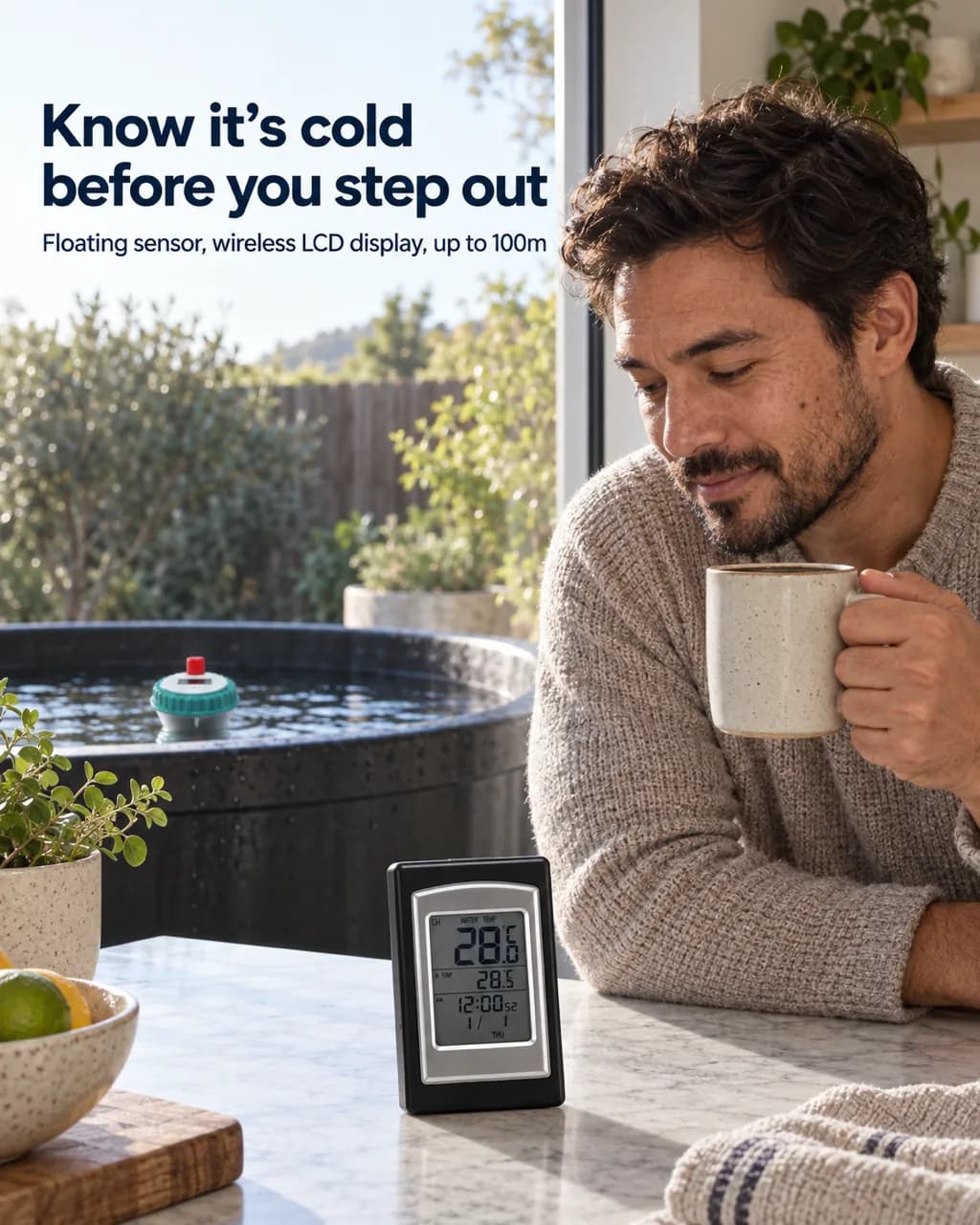
- Checking for consistent temperature holding. Periodically verify with an external digital thermometer that the water is actually at the temperature the chiller display claims. Drift between the two is usually an early sign of a filter or flow issue worth addressing before it gets worse, and it's also the only way to know whether you're actually replicating whatever temperature protocol you're following - see our temperature guide for why that few-degree gap matters.
- Seasonal or long-gap shutdowns. If you're not using the tub for an extended stretch - an away trip, an off-season - drain the system according to the manufacturer's guidance rather than leaving standing water sitting in the lines, which is both a hygiene issue when you restart and, in cold conditions, a freeze risk for the internal plumbing.
Hygiene basics that matter more than people expect
A few simple habits reduce how fast water quality degrades regardless of your filtration and sanitising setup:
- Rinse off before getting in, ideally a quick shower to remove sweat, deodorant, lotions, and general skin oils before they go into the tub. This single habit does more for water longevity than most filtration upgrades, since it reduces the organic load entering the water in the first place.
- Use a lid between sessions. Beyond the temperature-retention benefit covered in our home setup guide, a lid keeps out airborne dust, leaves, and debris that otherwise accumulate in open water, especially outdoors.
- Don't bring in outside contamination: muddy feet, sunscreen residue, or open cuts and wounds all add to what your water care system has to manage. None of these need to stop you from plunging, but a quick rinse and basic awareness reduces the burden on your filtration and sanitising.
Cold-weather care
Cold plunge maintenance has a genuinely different set of considerations once ambient temperatures drop toward or below freezing, which is a real factor for outdoor setups across a UK or northern European winter:
- Freeze protection for plumbing and chiller lines. Standing water in exposed pipework or a chiller's circulation lines can freeze and cause real damage. Manufacturer guidance on winterising - draining lines, using freeze-protection settings if your chiller has them, or insulating exposed pipework - is worth following even if it feels like overkill in early winter.
- Ice formation on the water surface itself. In very cold outdoor conditions, the water surface can start forming a thin ice layer, particularly if the tub isn't covered. This isn't dangerous to the tub, but it means checking and clearing the surface before getting in, and it's a sign your chiller (if you're running one) may be working harder than usual to maintain a stable setpoint against the ambient cold.
- A lid matters more in winter than any other season: both for keeping the water at a stable, intended temperature rather than colder than you're expecting, and for keeping debris (frozen leaves, wind-blown material) out of water you might be using with a longer refresh interval during colder months when outdoor trips to change water are less appealing.
- Water changes may need to happen less often in genuinely cold ambient conditions, since lower temperatures suppress microbial growth somewhat, but this is a modest effect, not a substitute for the sanitising and filtration practices above, and it's not a reason to skip testing water quality just because it's winter.
A simple maintenance rhythm
Putting the above into something you can actually follow without overthinking it each week:
- After every session: rinse off before getting in; wipe down the tub exterior and lid if used.
- Weekly (or per your usage frequency): test pH and sanitiser levels; top up sanitiser as needed; check the chiller filter if you're running one.
- Every one to several weeks, based on your usage pattern and water clarity: full water change and a clean of the tub interior.
- Seasonally: deeper chiller maintenance check, and freeze-protection steps if you're heading into winter with an outdoor or exposed setup.
None of this needs to be complicated or expensive to get right, but skipping it entirely is the single most common reason people end up disliking a tub they were excited about a few months earlier. Clean, properly maintained water is what makes getting in every session a non-issue rather than a small dread, and that's worth the fifteen minutes a week it actually takes.
One last note on why this is worth taking seriously rather than treating as an afterthought: cold water immersion already places a real, well-documented load on your cardiovascular system in the first minute of entry, as Tipton and colleagues describe in their review of cold water immersion risk. Getting into poorly maintained water doesn't change that cardiovascular physiology, but it adds an avoidable second variable - skin or eye irritation, or a genuine hygiene issue - on top of a practice that already deserves your full attention during entry. Keeping the water itself in good order is one less thing to worry about while you're focused on the breathing and entry technique that actually matter most.
This article is for general information and does not constitute medical advice. Cold water immersion carries cardiovascular risk, particularly for people with heart conditions, uncontrolled high blood pressure, or a history of arrhythmia. Consult a doctor before starting, never plunge alone, and stop immediately if you feel unwell.
References
This article is for general information and does not constitute medical advice. Cold water immersion is not a medical treatment. Consult a professional if you have cardiovascular conditions.
Gear for this
Related reading
Ice bath setup at home: the complete guide
Where to put it, how to fill it, what actually needs a chiller versus ice, and what you can skip. A practical setup guide for a home cold plunge that gets used.
Cold plunge temperature guide: what the science supports
How cold is cold enough, how long should you stay in, and does colder always mean better? A practical guide grounded in the immersion research.
How to build a cold plunge routine: a beginner's protocol
Where to start, how fast to progress, and how to fit cold plunging around training without undoing your gains. A week-by-week protocol grounded in the evidence.